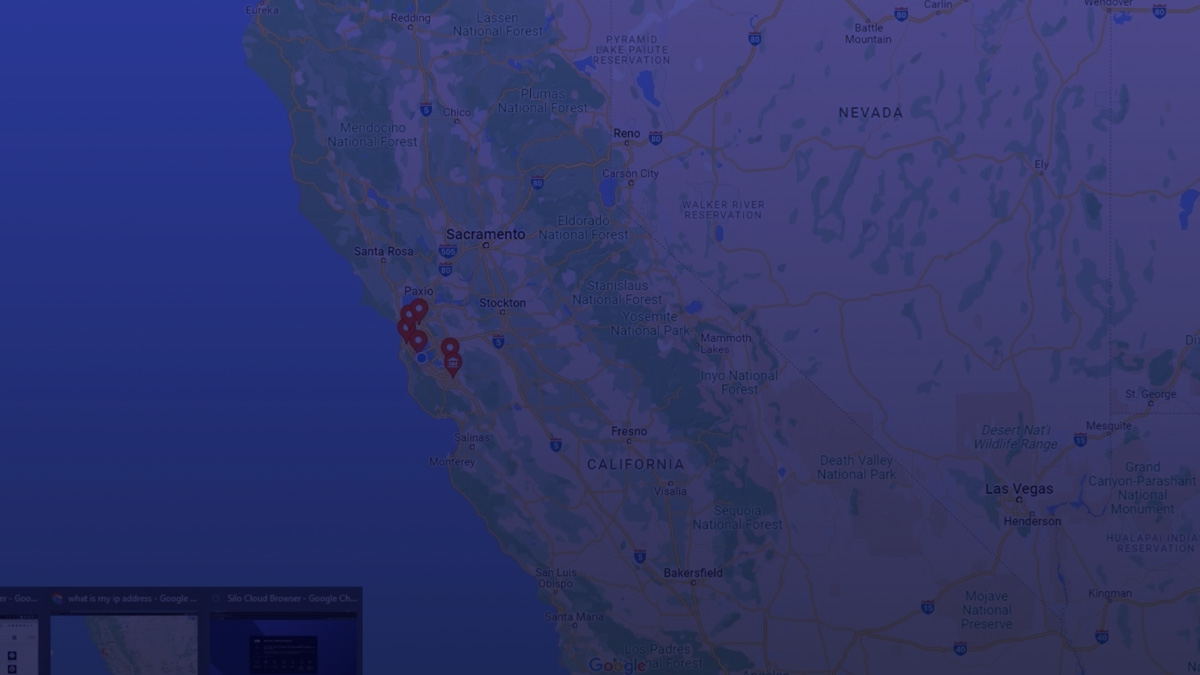
Fraud investigations require going where the bad actors are, but every click leaves a trace. In this Intel Drop, AJ Nash, Digital Intelligence Advocate at Authentic8, explains how browser configurations, device settings, and other hidden data points create a powerful digital fingerprint that can expose investigators during phishing and scam investigations.
In this video, Authentic8’s Digital Intelligence Advocate AJ Nash explains why most cybersecurity predictions miss the mark and why the intelligence community doesn’t make “predictions” at all. Instead, real intelligence assessments focus on confidence levels, assumptions, alternative scenarios, and indicators that tell you when you might be wrong.


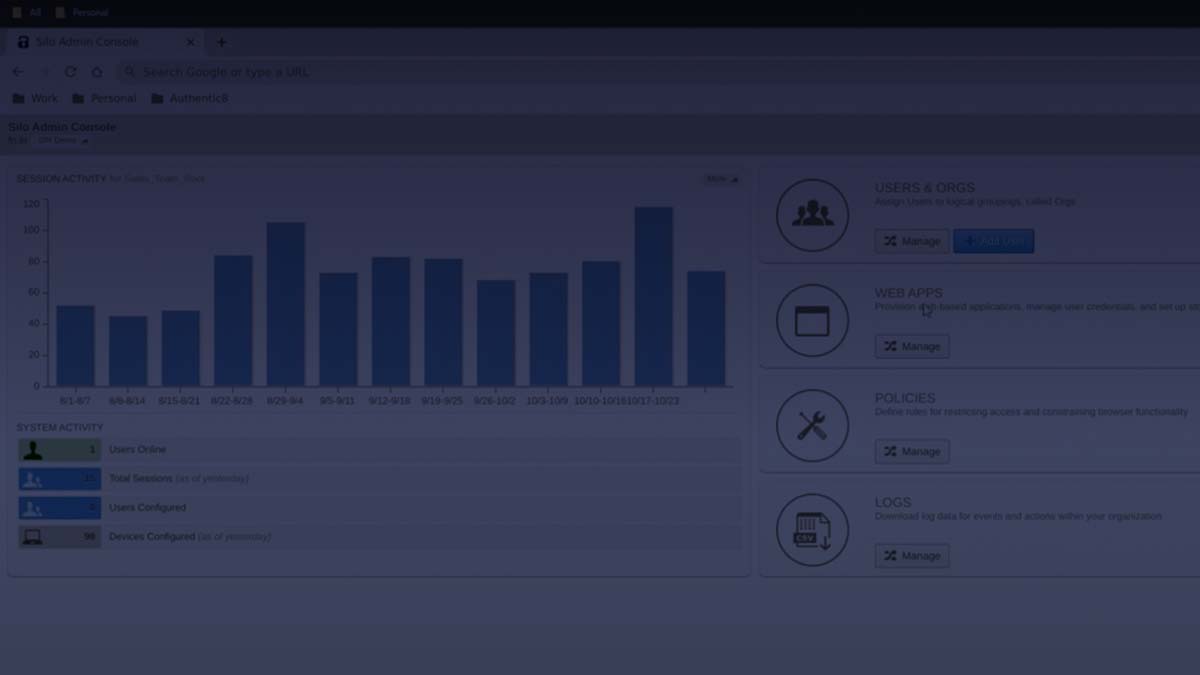
Transparent isolation wired into daily workflows. Securing access to business apps against today’s reality of roaming users, untrusted networks and personal devices is an IT nightmare — especially so when those users are third parties like contractors and suppliers. Authentic8 enables its security service edge (SSE) partners to provide context-aware security, control and visibility where enterprises struggle to find a solution.
Automate collections and isolate investigations. Cybersecurity teams rely heavily on the alerts, data analysis and process optimization provided by their SOAR and SIEM platforms. The immediate availability of relevant data related to a specific event is critical for analysts to establish context and priority. And while repetitive tasks may be automated, analysts always need to dig deeper into a given source or threat, leading to engagement with potentially malicious actors and content.